Dry Cat Nose: What’s Normal, What’s Not, and When to See a Vet
Author:Allison
Released:January 31, 2026
You reach out to pet your cat, expecting that familiar cool, slightly damp boop. Instead, you feel a rough, bone-dry little nose.
It’s easy to pause for a second and wonder. Are they feeling okay? Could this mean something’s off?
Many cat owners have been told that a wet nose is a reliable sign of feline health. In reality, that idea can lead to unnecessary worry. A dry nose doesn’t automatically mean your cat is sick or needs a vet visit.
Let’s break down when a dry nose is perfectly fine, and when it actually points to a medical issue.
Is a Dry Cat Nose Normal?
The short answer is yes.
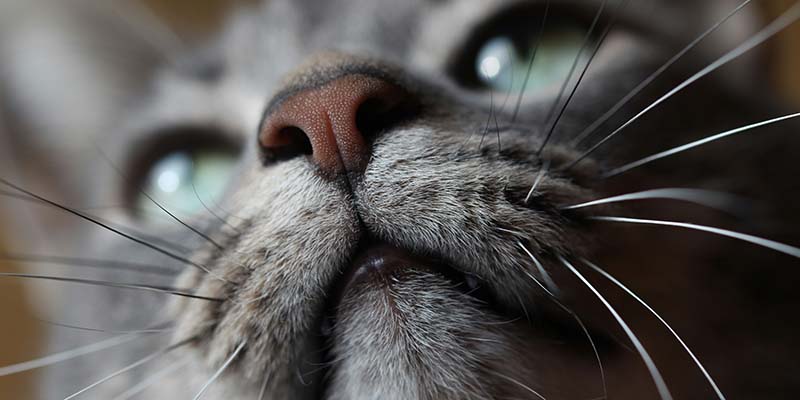
A perfectly healthy cat can absolutely have a dry nose. Moisture levels on your pet's snout shift constantly. It might be damp in the early morning, dry by the afternoon, and wet again by dinnertime.
Nose texture alone cannot accurately judge a cat's health. That signature wetness is simply moisture pooling from sweat glands, tear ducts, and saliva. It is not an internal thermometer wired to their immune system.
Think of a cat's nose like your own lips. Sometimes they are perfectly hydrated; other times they feel a bit chapped due to the weather. Neither state immediately dictates whether you have the flu.
Common Harmless Reasons
Environmental factors dictate nose moisture more than almost anything else.
If your cat just woke up from a heavy nap in a sunbeam, their nose will feel parched. UV rays and direct warmth bake the surface moisture right off their skin. Indoor climate control creates similar effects. Sleeping near a radiator or a warm fireplace quickly dries out nasal tissue.
Then there are grooming habits. Cats are meticulous, obsessive cleaners. Constant face-washing deposits layers of saliva onto the snout. Once that saliva meets the open air, it dries out the skin rapidly, leaving a temporary rough patch.
Mild dehydration from sleeping through the afternoon causes temporary dryness too. Think about waking up from a nap thirsty; your cat experiences the exact same sensation. Once they visit their water bowl, the moisture usually returns within an hour.
Age is a highly practical, permanent factor. Senior felines simply produce less bodily moisture overall. An older cat naturally tends to have a drier, slightly rougher nose compared to a highly active, younger kitten.
Symptoms That Matter More Than the Nose
Stop staring at the nose and start watching your cat's actual behavior.
A sudden, sharp drop in appetite is a massive red flag. If they outright ignore their favorite wet food or treats for more than 24 hours, you need to pay attention.
Energy levels speak volumes about feline health. Is your normally hyperactive cat suddenly hiding under the guest bed? Refusing to engage with toys signals a problem far more accurately than a dry snout. Lethargy is a major clinical warning sign.
Body heat is a true indicator of illness, but you can't feel it accurately through the nose. If you suspect a fever, check their core temperature against standard healthy feline vitals using a proper pet thermometer.
Watch closely for respiratory and digestive clues. Open-mouth breathing, heavy panting, or repeated sneezing point directly to sickness. These actions require energy and cause visible distress.
Secondary physical signs also demand immediate attention. Thick goopy eye discharge, repeated vomiting throughout the day, or sudden bouts of diarrhea require intervention regardless of how wet or dry the nose happens to feel.
Warning Signs You Should Not Ignore
While a smooth, dry nose is usually fine, structural changes to the skin are definitely not.
A nose that looks severely cracked, is actively bleeding, or is covered in crusty scabs needs medical evaluation. This points to dermatological issues or severe dehydration.
Visible trauma requires an expert. Swelling, asymmetrical bumps, or visible cuts from a fight with another animal should prompt a vet visit. An inflamed nose makes breathing difficult and puts the cat at high risk for a localized infection.
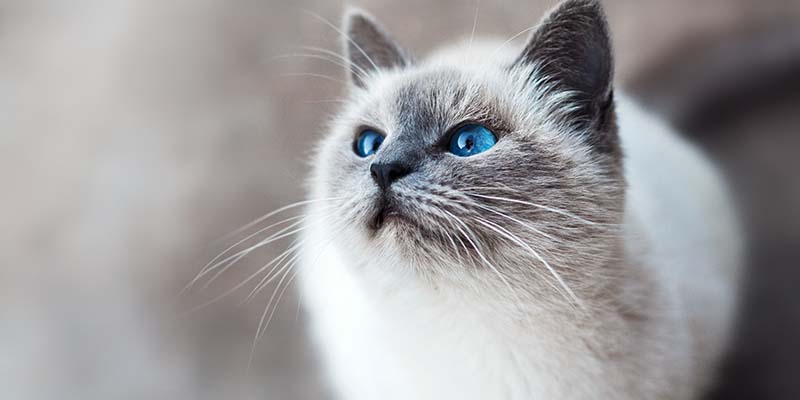
Nasal discharge completely changes the context. Clear, watery fluid might just indicate a mild dust allergy. However, thick, opaque, yellow, or green mucus indicates a potential bacterial or viral infection.
Cats rely heavily on scent to eat. If they can't smell their food through the mucus, they will stop eating entirely.
Context dictates the danger. A dry nose on a cat who actively plays and eats is harmless. A dry nose on a cat who refuses food, feels unusually hot to the touch, and sleeps all day is a serious warning sign.
What You Can Do at Home
1. Run a quick behavioral audit.
Gently wake your resting cat and offer a high-value treat or crack open a fresh can of food. If they perk up, eat greedily, and respond normally, you can likely relax.
2. Focus on their water intake.
Ensure they have access to fresh, clean water in multiple rooms. Consider upgrading to a pet water fountain. Moving water naturally encourages felines to drink more frequently.
3. Fix their immediate environment.
If your home's indoor air feels dry to you, it feels dry to your cat. Run a small humidifier near their favorite resting spot. This simple tweak often restores nose moisture quickly, supporting overall feline respiratory health during colder months.
4. Practice active, documented observation.
If your cat seems slightly off, monitor them closely for 12 to 24 hours. Grab your smartphone and take clear, well-lit macro photos of their nose to track any visual changes.
5. Write down your observations.
Note exactly when they last ate, how much they drank, and their litter box usage. Tracking these specific metrics removes the guesswork if you end up needing a vet.
When to Call a Vet
It's time to pick up the phone when multiple symptoms stack together.
A dry nose on its own is a non-issue. A dry nose combined with severe lethargy and a skipped meal crosses the line from casual observation to necessary medical action.
An empty food bowl is a ticking clock.
A cat that completely stops eating or drinking for a full 24-hour cycle is at risk for severe complications. Felines can rapidly develop fatty liver disease when they stop consuming calories. Don't wait.
Breathing issues are always an absolute emergency. If your cat is panting openly, wheezing loudly, or using their stomach muscles to struggle for air, bypass the wait-and-see approach entirely. Put them in their carrier and head straight to the clinic.
Physical damage to the nose won't heal with a room humidifier. Deep cracks, painful swelling, or foul-smelling discharge usually require prescribed antibiotics or professional wound cleaning.
A dry nose is usually just a sign that your cat enjoys excessively warm naps and rigorous facial grooming. It’s one tiny detail, not the whole diagnostic picture of their health.
Watch their daily habits, track their food intake, and trust your gut. If you ever find yourself stuck second-guessing whether your cat needs a check-up, err on the side of caution. Give your local veterinary clinic a quick call to see if an appointment is actually necessary.
Related Posts
Homemade Cat Wand Toy Ideas That Keep Cats Engaged

Joint Supplements for Senior Dogs: Benefits and Choices
Stop the Mats! Brushing Schedules Every Long-Haired Dog Needs

Canine Agility Training: A Complete Guide for Beginners
Best Dogs for Elderly: Gentle, Loving, and Easy to Care For